
The Art of Batik
Where Wax and Dye Dance on Fabric
How does a blank canvas of fabric transform into such a breathtaking masterpiece? The creation of batik is a meticulous, almost meditative process—a true “wax-resist dyeing” method that demands unwavering skill, infinite patience, and an artist’s keen eye. It’s a journey of transformation, a fascinating interplay of elements.
How our batik shawl is born
1. Fabric Selection and Preparation
It begins with a carefully chosen, high-quality fabric – often breathable cotton, viscose, luxurious silk, or beautiful blends – meticulously washed and prepared to ensure it eagerly absorbs the dyes that will follow. This blank slate holds the promise of beauty.
2. Designing the Masterpiece
Skilled artisans painstakingly draw their designs directly onto the clean fabric. This can be done freehand, or by tracing patterns using transfer paper. Traditional Sri Lankan batik designs often feature local flora and fauna, ancient Sinhalese textile prints, temple paintings, and even traditional flags. Modern artists also incorporate abstract and minimalist designs, blending contemporary aesthetics with traditional techniques.
3. The Wax Application – The Resist
Here, the magic truly starts. This is the core of the batik process. Artisans heat wax, typically a mixture of paraffin and beeswax until molten. It is then carefully applied with astonishing skill and patience to the areas of the design that the artist wishes to remain untouched by dye. Imagine a painter selectively masking parts of their canvas – this is the wax’s role, a beautiful act of preservation.
For the most intricate details, the artist employs a ‘canting’, a delicate tool with a copper reservoir and a spout. With a steady hand, molten wax flows from its tip, creating exquisite, hair-thin lines –where every stroke is a testament to precision. For broader strokes and larger areas, brushes are used, guided by an intuitive understanding of the design. (Watch the video to see an artisan using a canting to paint with wax.)
Wherever the wax flows, it penetrates the fabric fibres, creating a waterproof barrier. This area will resist the dye in the next step. The temperature of the wax is crucial and is carefully maintained to ensure it flows smoothly without cracking too soon.
4. The First Dye Bath
Once the wax has cooled and solidified, the fabric is immersed in its first dye bath. The dye eagerly colours all areas not protected by wax. Sri Lankan batik artists often use a kaleidoscope of hues – from the deep, oceanic blues that mimic the Indian Ocean to the fiery reds of a cinnamon sunset, the sunny yellows of ripe mangoes, and the earthy greens of the island’s lush rainforests.
If multiple colours are desired, the process begins with the lightest shade, building layers of vibrancy. The fabric is left in the dye bath for a specific duration, depending on the desired intensity of the colour. After the dye bath, the fabric is carefully dried under direct sunlight. (Watch the video to see the preparation of the dye bath.)
5. Creating the Crackle
This step defines much of Batik’s unique charm. Once the first layer is dry, the fabric is deliberately crumpled or manipulated. This causes the hardened wax to crack in fine lines. When the fabric is dipped into the next (darker) dye bath, the dye seeps through these tiny cracks, creating the beautiful, distinctive veining effect known as “crackle”. This is the unmistakable fingerprint of true handmade batik.
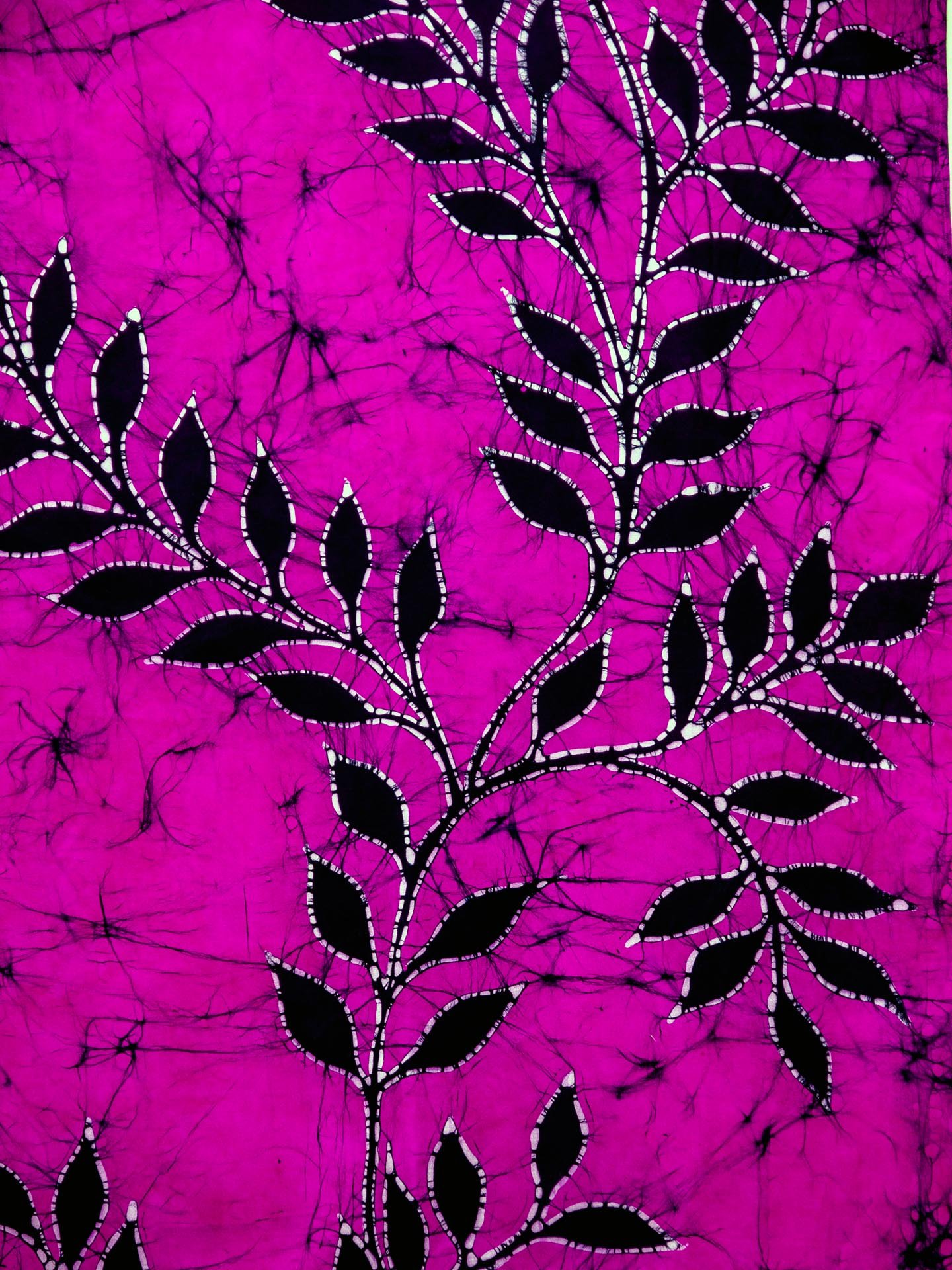
6. Wax, Dye, Repeat – The Layered Masterpiece
For designs with multiple colours, the process of waxing and dyeing is repeated. The process becomes a rhythmic cycle of artistry:
- Apply wax to preserve the current colour in specific areas.
- Dye in the next, darker colour.
- Dry.
- Crackle (if desired for that layer).
- Repeat.
This iterative process, which can involve many cycles of waxing and dyeing, is what creates the rich depth and complexity of a multi-coloured batik.
7. Revealing the magic – The Wax Removal
Once the final dye bath is complete and the fabric is dry, the wax’s work is done. The fabric is immersed in boiling water with detergent to melt and remove the wax resist. As the wax washes away, the true masterpiece is revealed! The pristine white or coloured areas protected by wax emerge, surrounded by the vibrant dyed sections and adorned with the delicate crackle patterns. It’s like watching a hidden image slowly emerge, breathtaking in its clarity and detail.
8. The Final Touches
After the wax is gone, the batik fabric is thoroughly rinsed and then dried under the warmth of the tropical sun. And finally, the masterpiece is ironed and completed with meticulously hemmed borders, a refined flourish that ensures enduring beauty and a luxurious drape.
While deeply rooted in timeless tradition, Sri Lankan batik is also a living art form, constantly evolving. Contemporary designers are fearlessly experimenting with fresh color palettes, bold, oversized motifs, abstract patterns, and minimalist aesthetics, breathing exciting new life into this ancient craft. This harmonious blend of tradition and innovation, coupled with a growing global appreciation for sustainable and ethically crafted products, ensures that Sri Lankan handmade batik continues to flourish, a cherished art form inviting you to become part of its beautiful story.
Ready to bring a piece of this extraordinary artistry into your life? Explore our collection and discover the perfect handmade batik shawl that speaks to your soul.